
At the House of Christakis, we have been crafting handmade men’s shirts since 1947. For us, one of the most important elements in any garment is the material it is made from. The soft feel, how it drapes when worn, ease of care, durability and design are the factors we evaluate before introducing new fabrics into our collection.
To begin with, the raw material used for the fabric is of great importance. Natural materials such as cotton, linen, silk, virgin wool and cashmere are the primary fibres we look for at Christakis. While wool and linen offer many beautiful qualities, cotton remains the “king” of shirting fabrics. Especially when we speak of fine varieties such as Giza, Sea Island or Pima cotton, we have the foundation for an exceptional result.
Beyond composition, there are other characteristics that play a very important role. One may hear terms such as single-ply or two-ply cotton, 80/2 versus 240/2, poplin or Oxford. If this terminology feels confusing, the following paragraphs will help clarify things.
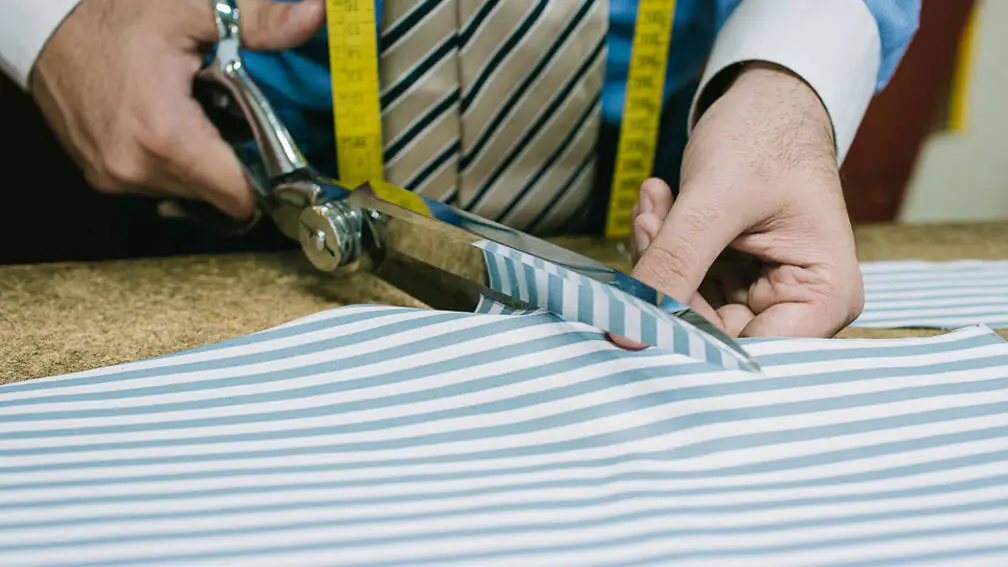
Single-Ply vs Two-Ply Cotton
A single-ply yarn consists of one strand, while a two-ply yarn is made by twisting two strands together. A fabric may use two-ply yarns in both the warp and the weft, or combine different yarn constructions in the two directions. The full specification tells us exactly how it is woven.
Two-ply yarns can contribute to a smooth, consistent and durable fabric. Softness and fineness, however, also depend on the quality of the cotton, the yarn count, the weave and the finishing.
Our Classic shirts and most of our Weekender shirts are made with two-ply cotton. From time to time, when we want to achieve a more casual feel, we use special single-ply fabrics. A further option is exceptionally fine three-ply fabric, selected for its softness and performance; for the moment, it is available only through our made-to-order services.
Yarn Count
Yarn count describes the fineness of the yarn itself. In the cotton numbering system commonly used for fine shirting, a higher number indicates a finer yarn. It should not be confused with thread density, which describes how many threads are woven into a given area of fabric.
In a specification such as 170/2, the first number refers to the count of the individual yarns, while the second indicates that two are twisted together. Finer yarns allow the creation of particularly fine, smooth fabrics, although the final weight and feel also depend on how the cloth is woven and finished.
In our workshop we use fabrics ranging from 100/2 to 300/2. The latter have been described as a “marvel of human technology.” For a durable business shirt, we often recommend a 120/2 cotton, which tends to offer a particularly appealing balance of durability, appearance and hand feel.
Fabric Weave
Finally, we come to one of the most important factors: the weave of the fabric. This is the pattern by which the warp yarns, running lengthwise, and the weft yarns, running across the cloth, are interlaced. The main types of shirting fabrics include the following.
Poplin
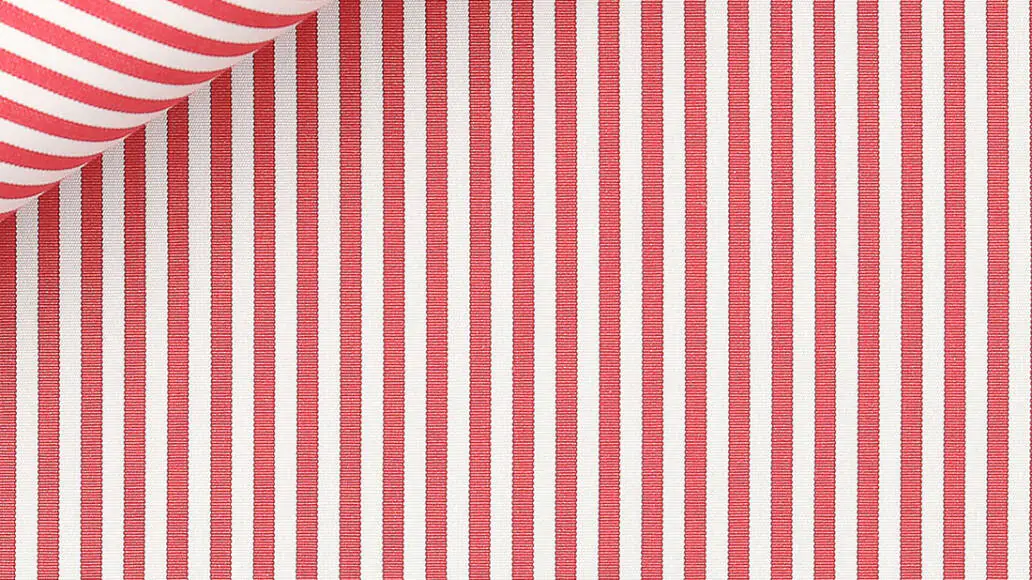
Poplin has always been the House’s quintessential cotton shirting fabric. Its name is historically associated with the papal city of Avignon, France. Modern cotton poplin is characterised by a simple, closely woven structure and a smooth surface, without a pronounced texture.
Depending on the yarns and finishing, it can have a soft yet crisp hand, a subtle natural sheen and a light, breathable feel. Combined with its durability, this makes poplin shirts suitable for everyday wear as well as more formal and evening occasions. For us, the softness and functionality of a good 120/2 poplin are difficult to match, especially for use in Mediterranean climates.
You may also encounter the term “Tricoline”, used in the Greek market for fine cotton shirting fabrics of this kind.
Oxford
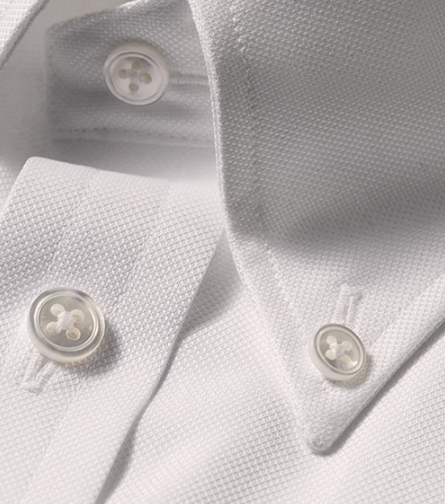
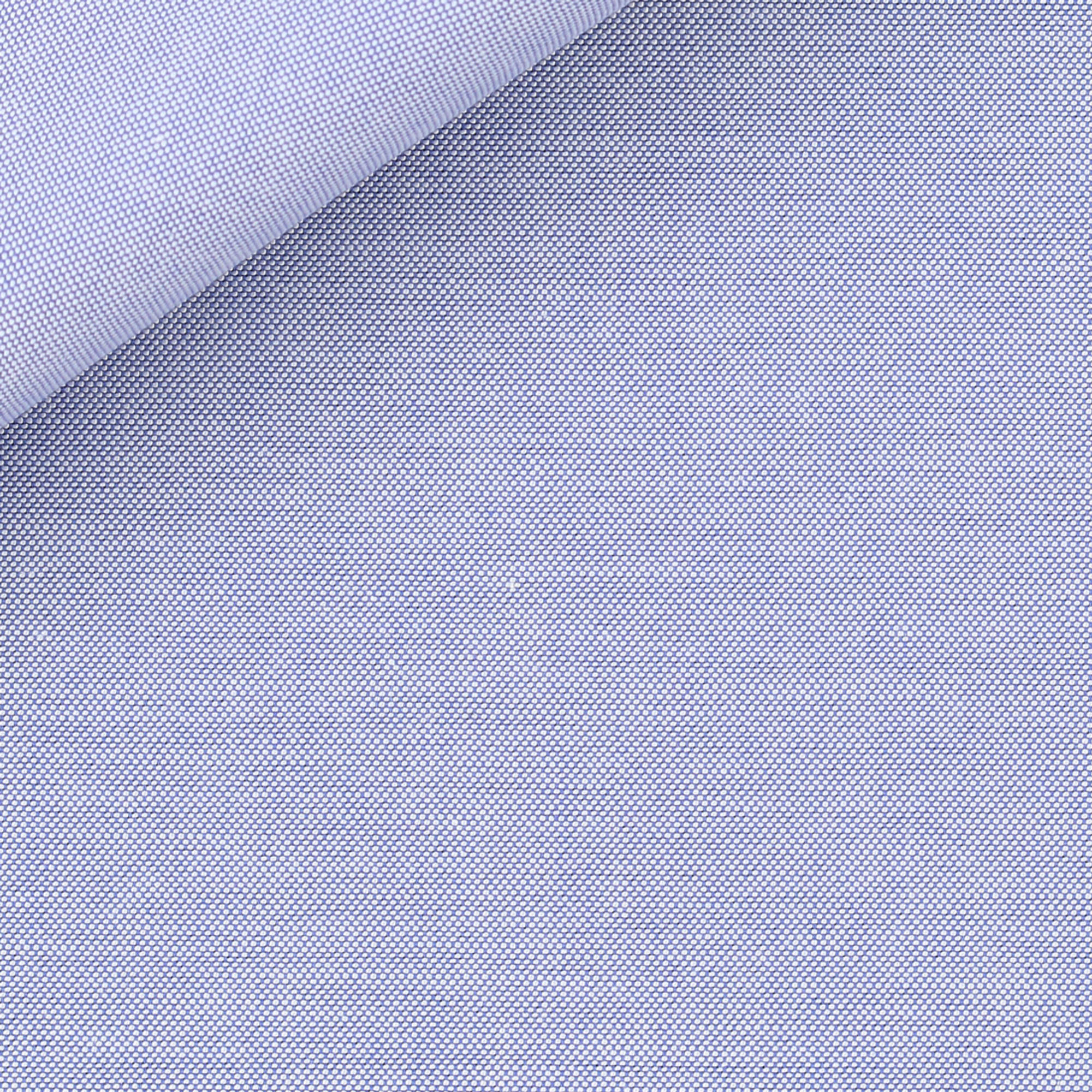
Oxford uses a basket-weave structure, giving it its distinctive texture. Within the broader Oxford family, there are substantial differences in weight, fineness and appearance.
Classic Oxford cloth is relatively full-bodied, with a slightly rugged character closely associated with casual shirts — particularly the OCBD, or Oxford Cloth Button-Down. In a Mediterranean climate, we generally favour these heavier qualities for autumn, winter and spring rather than the height of summer.
Royal Oxford offers a different expression. Its more intricate weave and, in fine qualities, two-ply yarns create a refined, textured surface with a subtle lustre. It is well suited to business and dress shirts, often offering good crease recovery. The final softness, weight and performance depend on the particular fabric.
Twill
Twill weaves are growing in popularity, especially among those who appreciate fine shirtmaking. They have a characteristic diagonal structure, which may be more or less pronounced depending on the yarns and the construction of the fabric.
While the raised diagonal lines in classic twill are easy to distinguish, especially in heavier cloth, they can be much subtler in finer qualities. Fine twills — we often recommend 140/2 and above for this purpose — can therefore offer a smooth, refined appearance suitable for more formal shirts.
Twill fabrics also tend to drape softly and can offer better crease recovery than comparable poplins. As always, the result depends on the specific weave, cotton, yarns and finishing, rather than on the fabric name alone.
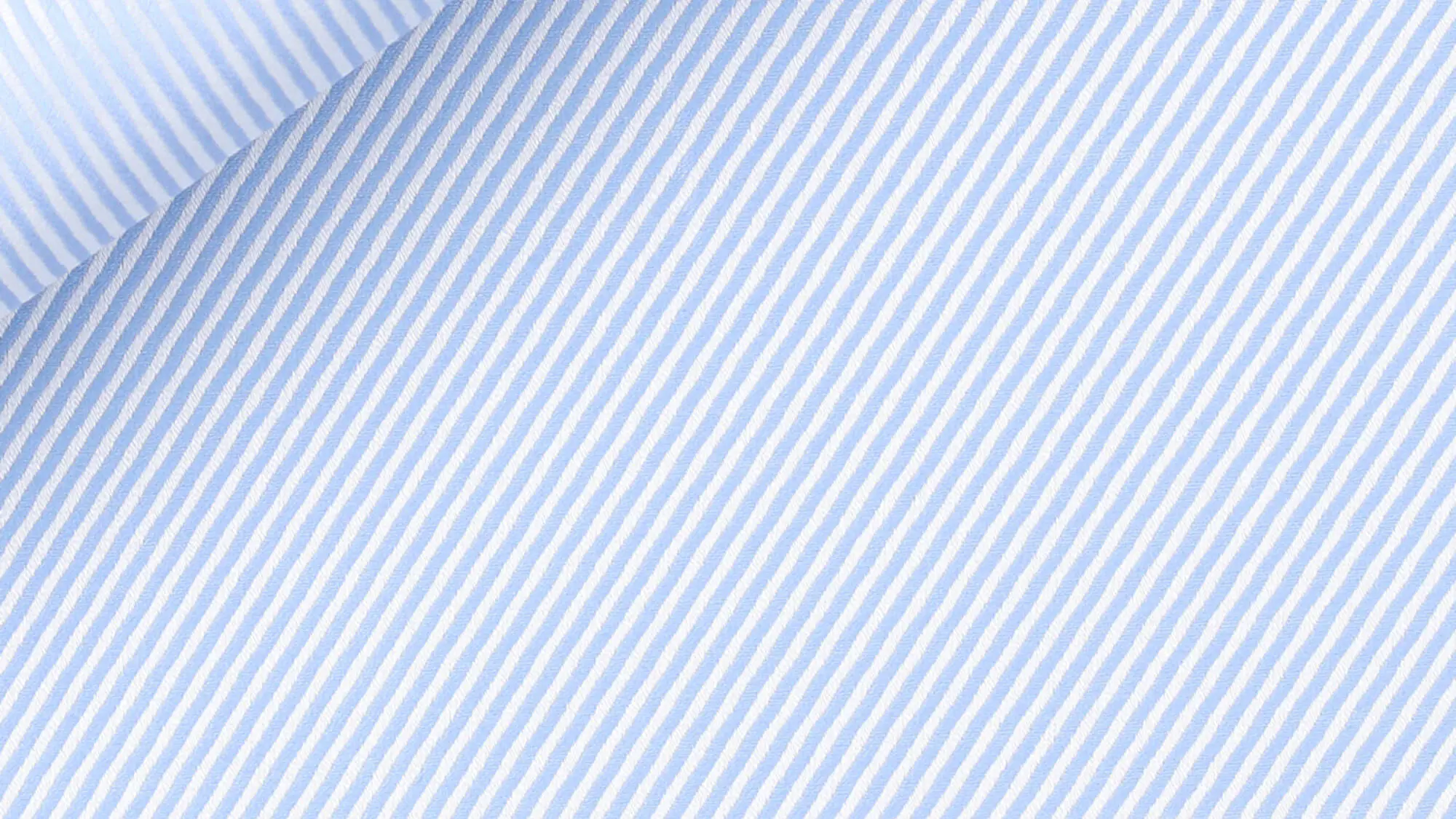
Beyond these basic weaves, there are more specialised constructions and variations: pinpoint within the Oxford family, herringbone as a variation of twill, and other structures such as leno (giro inglese) and piqué. In future articles, we will explore more of these fabrics and the uses that suit them best.
Finishing, washing and other treatments also play an important role in the final fabric. Composition, yarn count and weave each tell part of the story; handling the cloth brings them together.
Consider this guide a compass for exploring the world of shirting fabrics — a starting point for understanding what you enjoy wearing and choosing the right material for your next shirt.


