
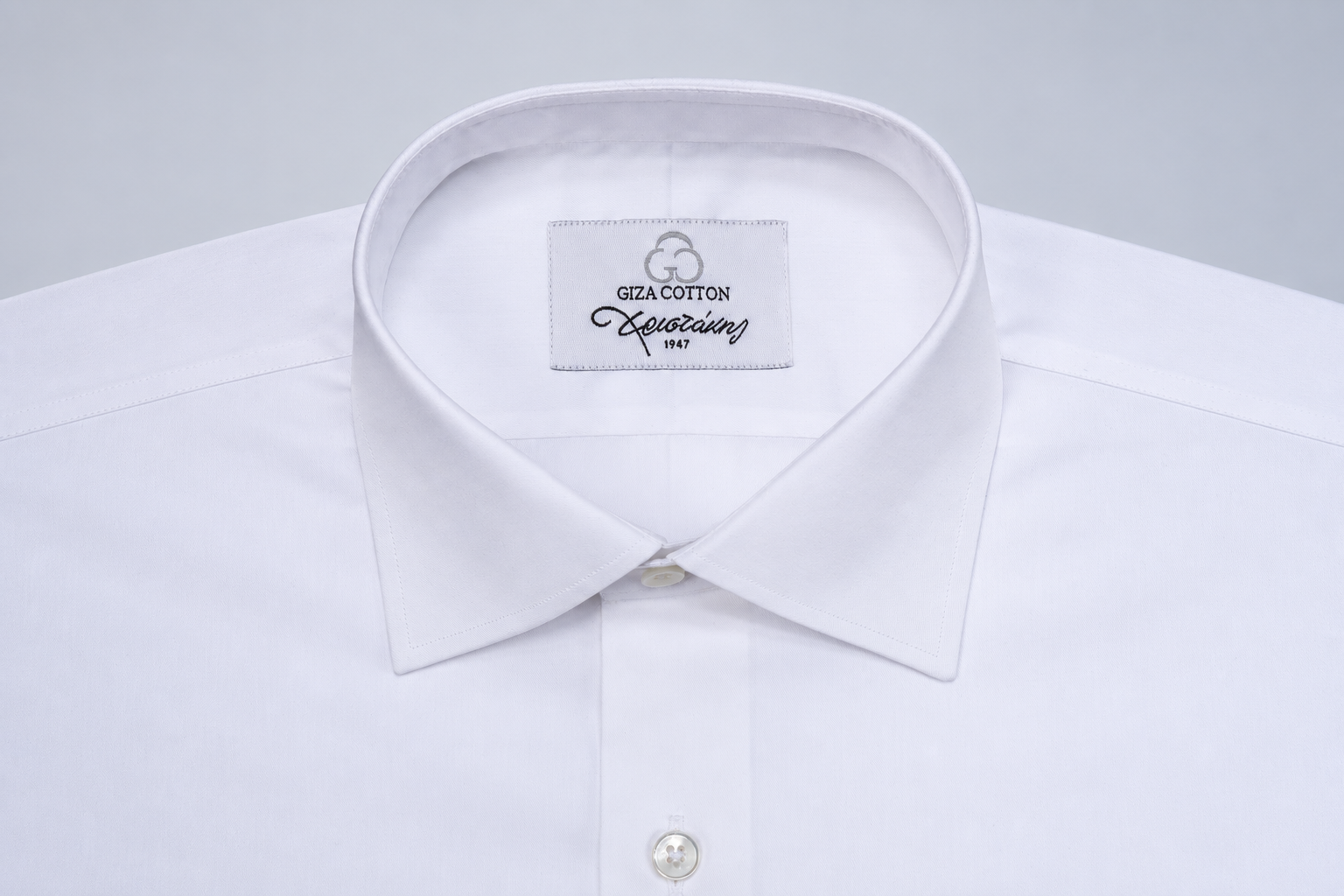
A unique shirt, created in collaboration with Giza Cotton Company
Choosing cloth is still one of the pleasures of making shirts. After years spent working with cotton, there is always something new to appreciate: a particular weave, an unusual softness, the way a fabric drapes. A precious fabric like this invites us to consider every detail of the shirt we will make from it.
For our collaboration with our friends at Giza Cotton Company, we chose a white Egyptian cotton twill woven from fine 200/2 yarns. Its soft handle and subtle lustre suited the shirt we had in mind: classic in appearance, with carefully considered proportions and a fabric worth taking a closer look at.
Working together also gave us a reason to explore a shared history. Greek names appear throughout the story of Egyptian cotton, among the growers who developed its varieties and the merchants who brought it to the wider world.
Egyptian cotton: a history of cultivation
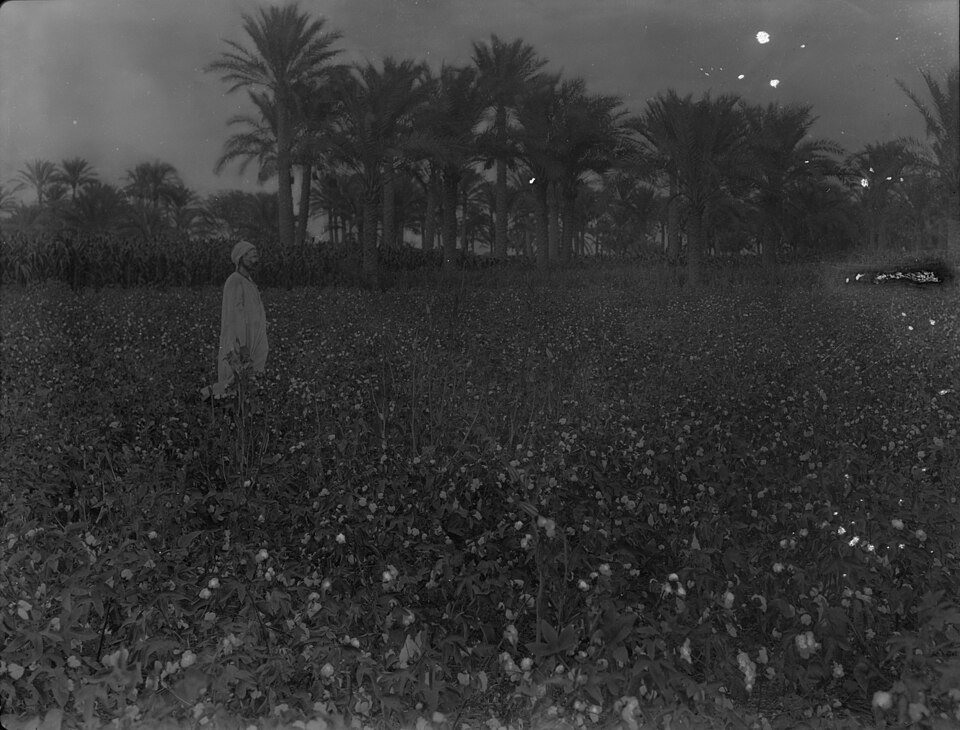
The foundations of Egypt’s modern cotton industry were laid in the early nineteenth century. Louis Alexis Jumel recognised the potential of cotton with particularly long, fine fibres, and its cultivation expanded under Muhammad Ali.
Over the following decades, growers continued to select and develop varieties valued by European spinners. Cotton became central to Egypt’s economy, with Alexandria serving as a major trading port between the growing regions and mills overseas.
A Greek name in the cotton fields
Greeks living in Egypt took part as growers, merchants and entrepreneurs. John Choremi, Emmanuel Benaki and Theodore Ralli were among those whose businesses became closely associated with cotton.
Another name belongs to Ioannis Sakellaridis, a Greek grower from Pelion. The variety he developed became known as Sakellaridis, often shortened to Sakel in the cotton trade. In the early twentieth century, it earned a reputation for its long, fine fibres and silky appearance.
There is something appealing about finding this Greek surname in the history of a material we work with every day. It recalls a time when people, skills and goods travelled between the two countries, and when Greek communities were part of Egypt’s agricultural and commercial life.
The cloth: 200/2 cotton twill
For this shirt, we selected a precious Egyptian cotton twill woven from 200/2 yarns. The notation describes two fine 200-count yarns twisted together to form a two-ply yarn before weaving. Spinning at this fineness calls for carefully selected cotton and close control throughout production.
At such a fine yarn count, the choice of weave becomes especially important. We preferred twill to poplin for this white shirt because it holds its shape better, is less prone to creasing and provides the opacity we wanted, while preserving the exceptional softness of the fine cotton.
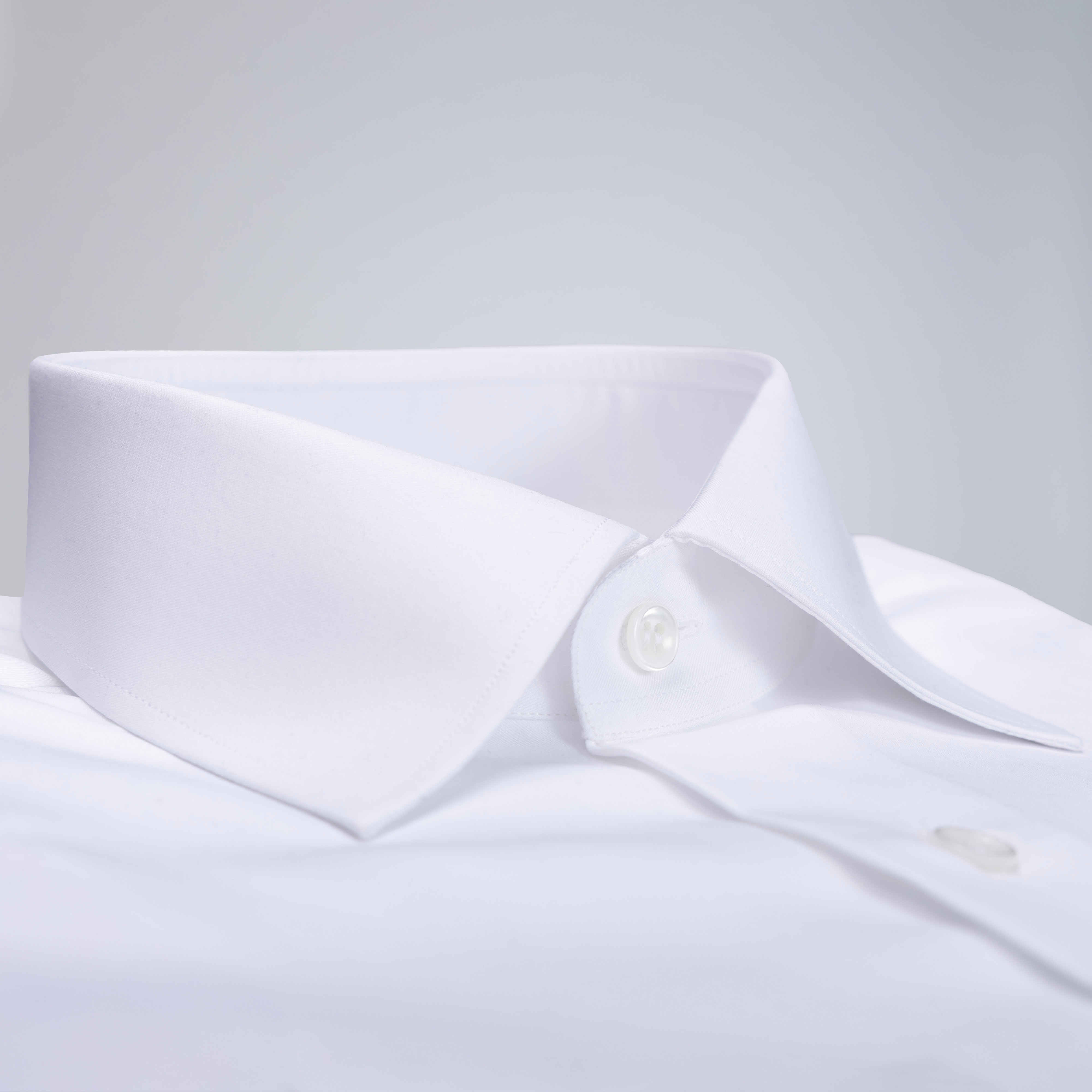
The twill weave creates delicate diagonal lines across the surface. They are barely visible from a distance, but become apparent up close, along with a gentle lustre that changes with the light.
What we particularly appreciated was the balance: enough body for the shirt to drape beautifully, with a remarkably soft, supple feel against the body. For those familiar with fine shirting, the pleasure of such a fabric is in these details — its handle, its drape and the comfort it offers when worn.
Making the shirt in Athens
The shirt is cut and sewn in our workshop on Kriezotou Street, where we continue the shirtmaking tradition Christakis began in Athens in 1947.
Much of the knowledge involved comes from making shirts day after day. Different cloths behave differently under the scissors, at the sewing machine and beneath the iron. A fine cotton needs careful handling throughout, so that the seams lie cleanly and the fabric retains its natural drape.
The collar and cuffs need equal consideration. Their structure must suit the cloth, providing enough support for the intended shape while remaining comfortable to wear. Getting that balance right is part of what gives a shirt its character.
This is familiar work in our workshop, though it requires attention every time. Cutting, stitching, pressing and checking each contribute to the finished garment. The pleasure is in seeing the separate pieces come together and the shirt take the shape we intended.
The Giza collar
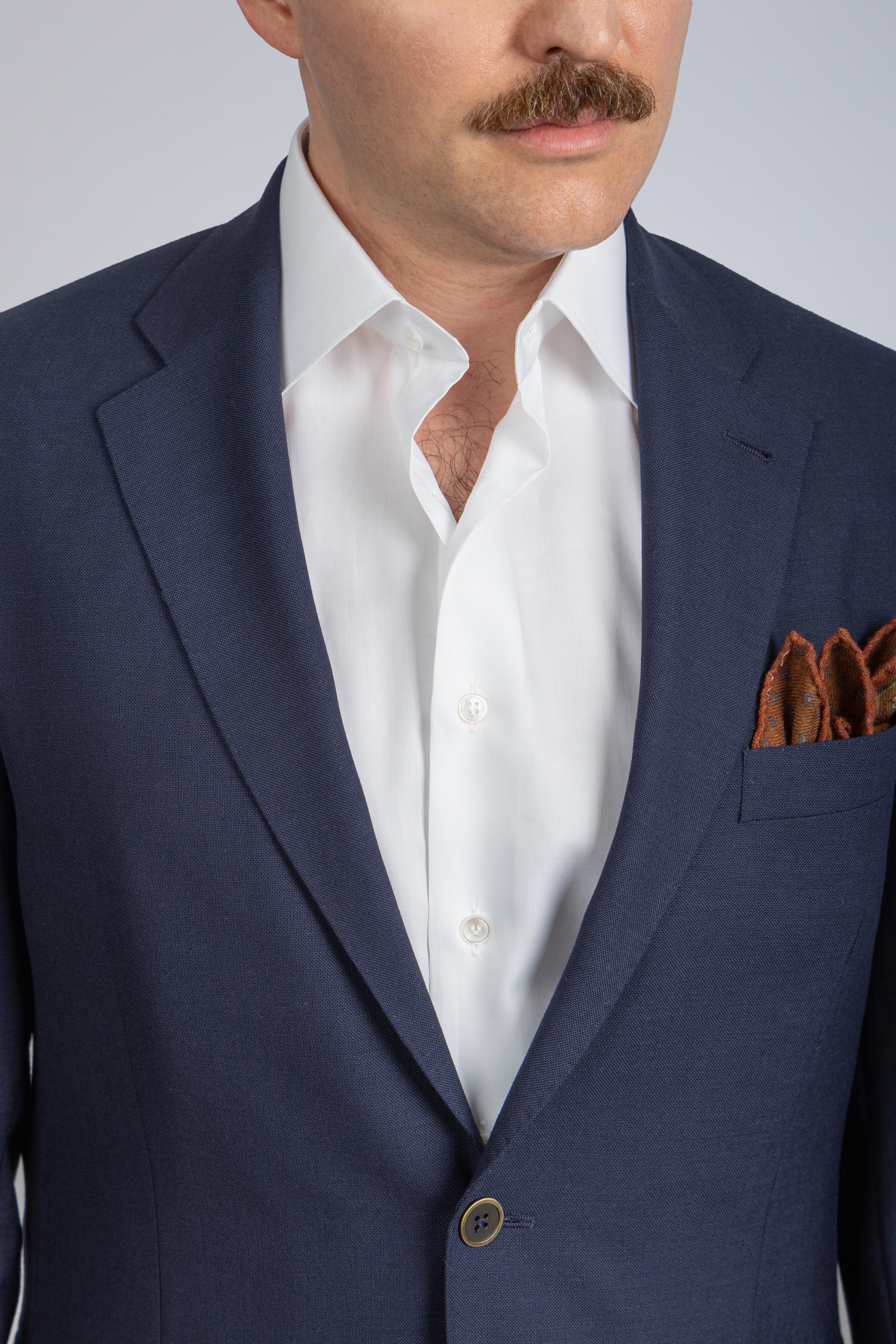
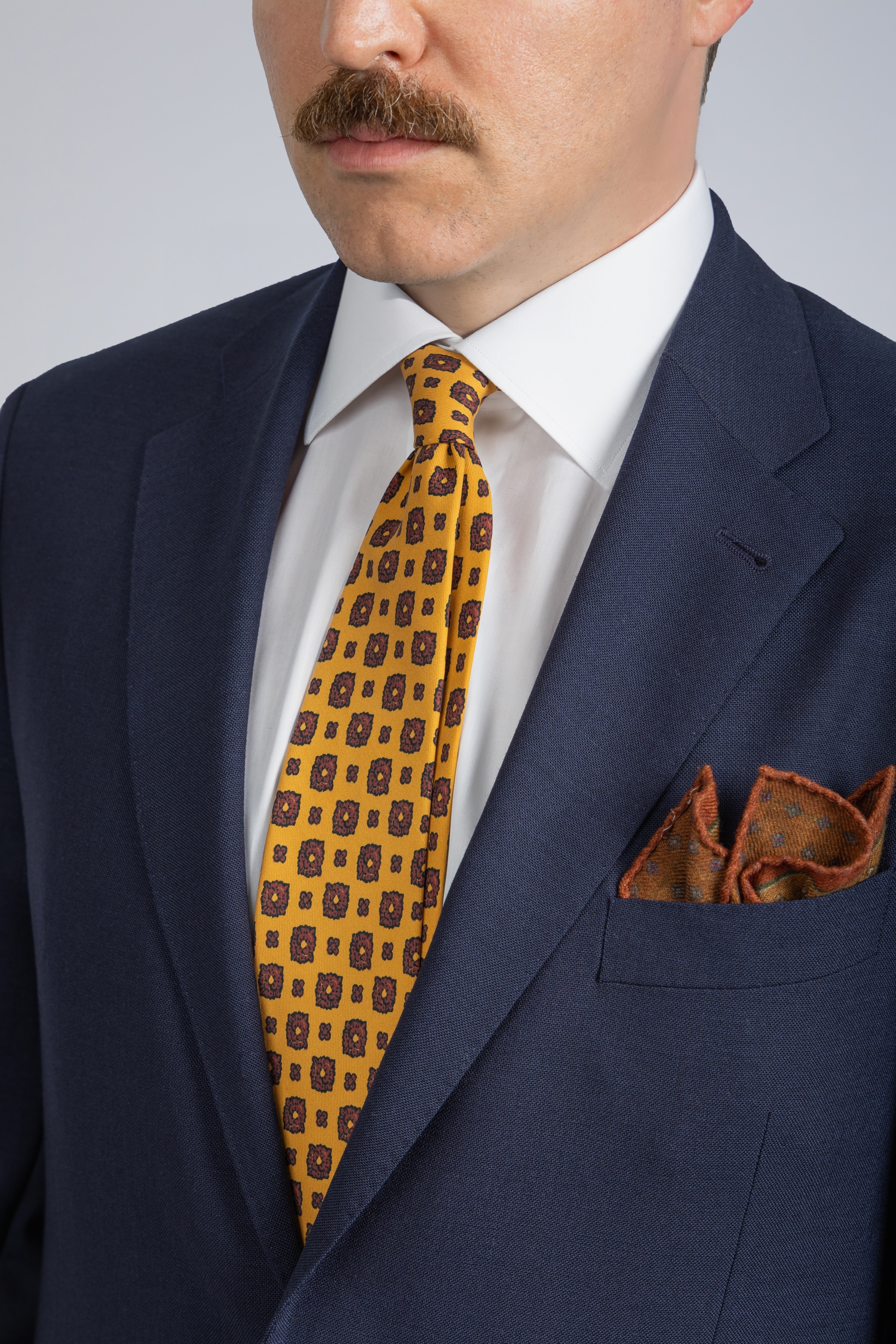
We designed the Giza collar for this shirt with versatility in mind. It sits well with a tie and keeps a pleasing shape when worn open.
A white shirt will often serve both purposes. It may be worn with a suit for a formal occasion, then with an open neck beneath a jacket on another day. We wanted the collar to feel equally at home in either setting.
Australian mother-of-pearl buttons complement the cloth. Their natural lustre catches the light softly, with slight variations across each surface that sit beautifully against the white twill.
A shared appreciation
Creating this shirt with our friends at Giza Cotton Company has been a pleasure. Their cloth and our work in Athens come together in a limited production that reflects our shared interest in cotton and shirtmaking.
We hope it becomes a shirt its owner returns to often. There is a particular satisfaction in a familiar white shirt: knowing how the collar sits, how the cloth feels and which jacket to wear it with. Those everyday details are what we think about when we make one.
Discover the Christakis × Giza Cotton Company Extrafine Twill Shirt


